

Stories, research, and updates from the PatientVR team.
30 posts
 uncategorized
PatientVR PRO Uses Meta for Work Managed Devices
Virtual Reality (VR) is rapidly moving beyond entertainment and gaming into meaningful healthcare applications, supporting patient wellbeing, relaxation, pain management, rehabilitation, and improved care experiences.
Interact: OBJECTS
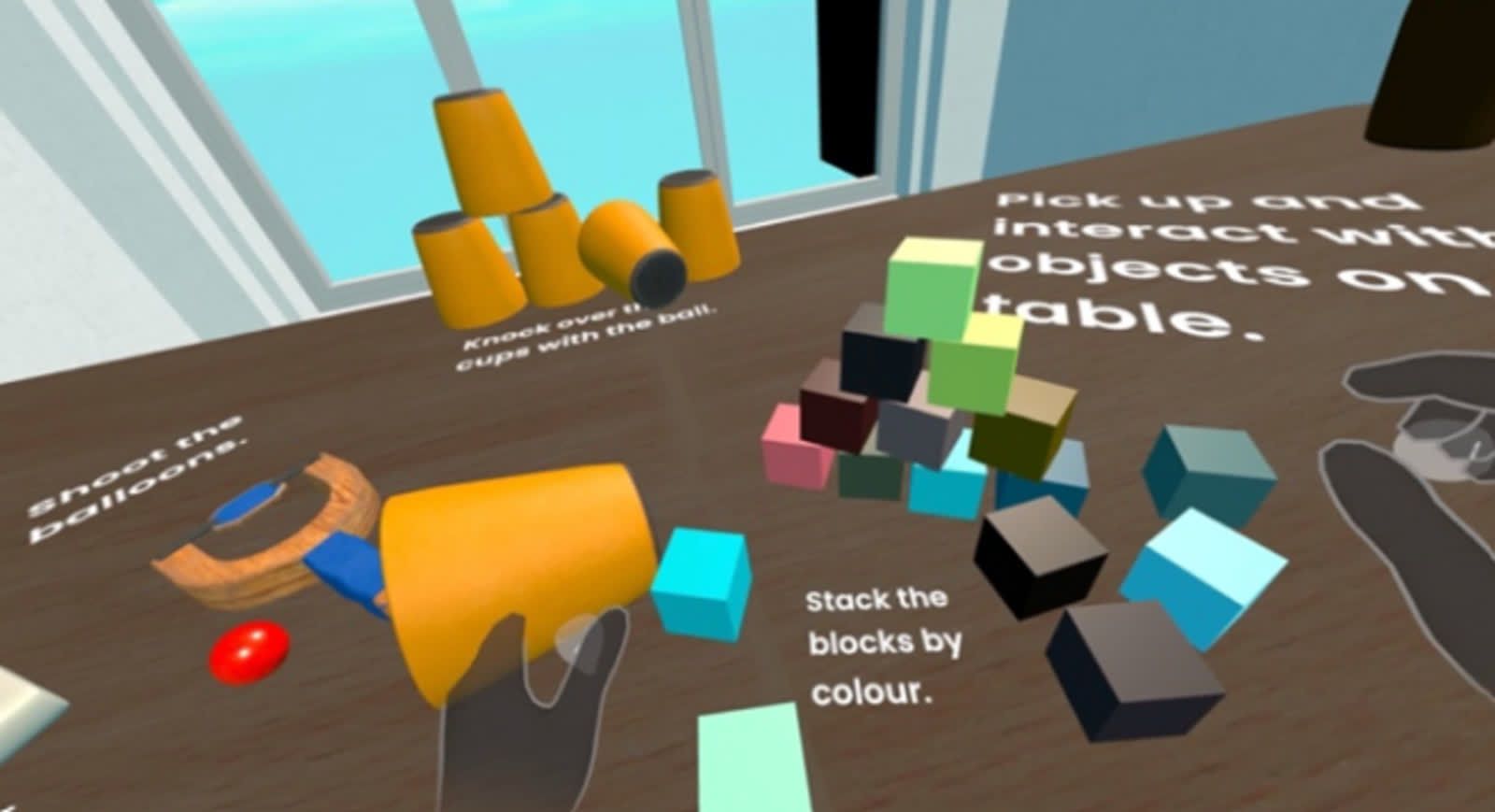
A gentle, interactive virtual experience where patients can stack, move, and explore familiar objects in a calming environment designed to support light movement, cognitive engagement and emotional well-being.
PHN’s Palliative and End-of-Life Care Symposium – Central Coast 2026
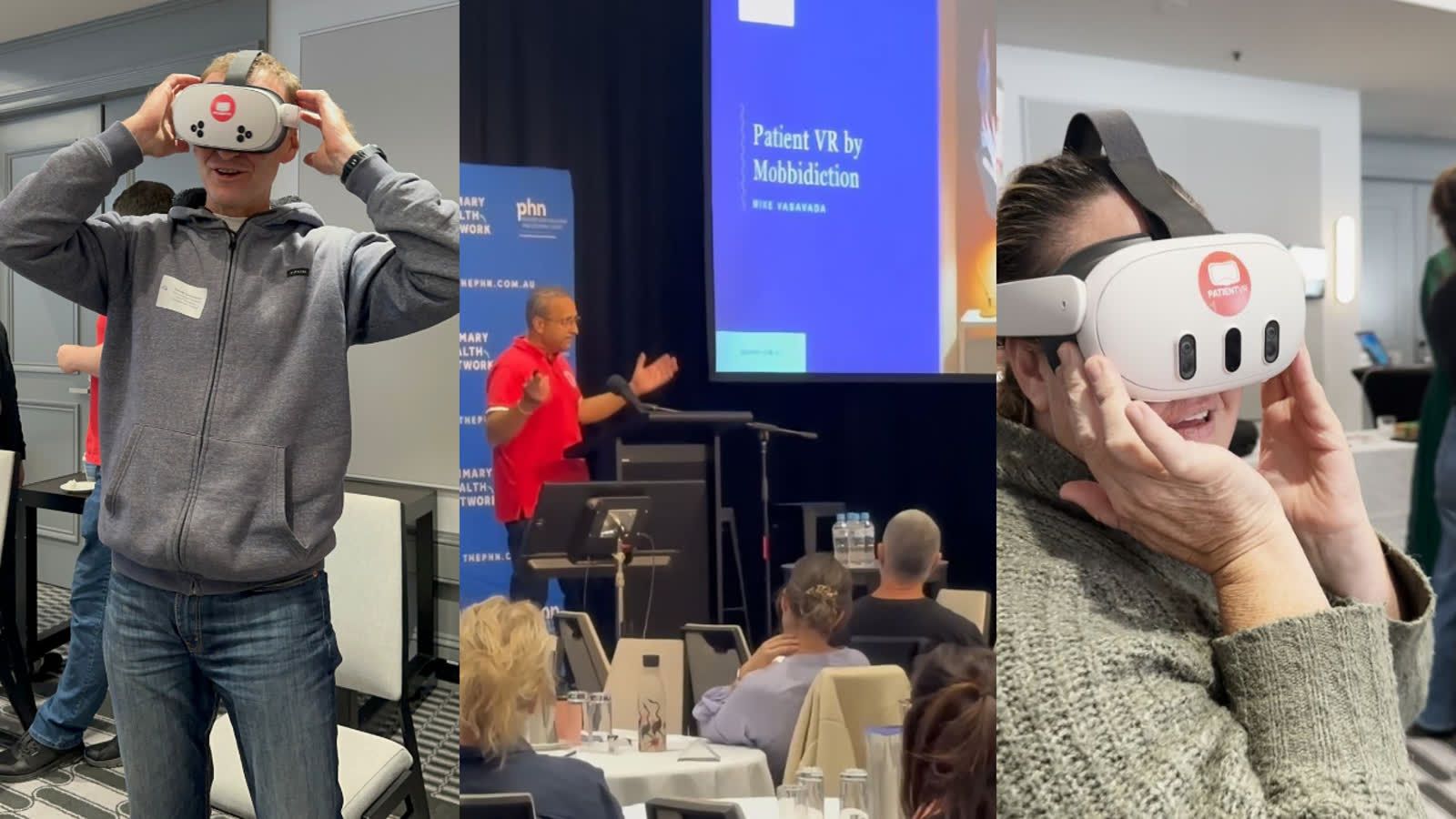
PHN’s Palliative and End-of-Life Care Symposium – Central Coast 2026 is a leading healthcare event focused on advancing palliative care in Australia through innovation, collaboration, and patient-centred approaches.
PatientVR at Mercy Palliative Master Class 2026 in Albury–Wodonga NSW
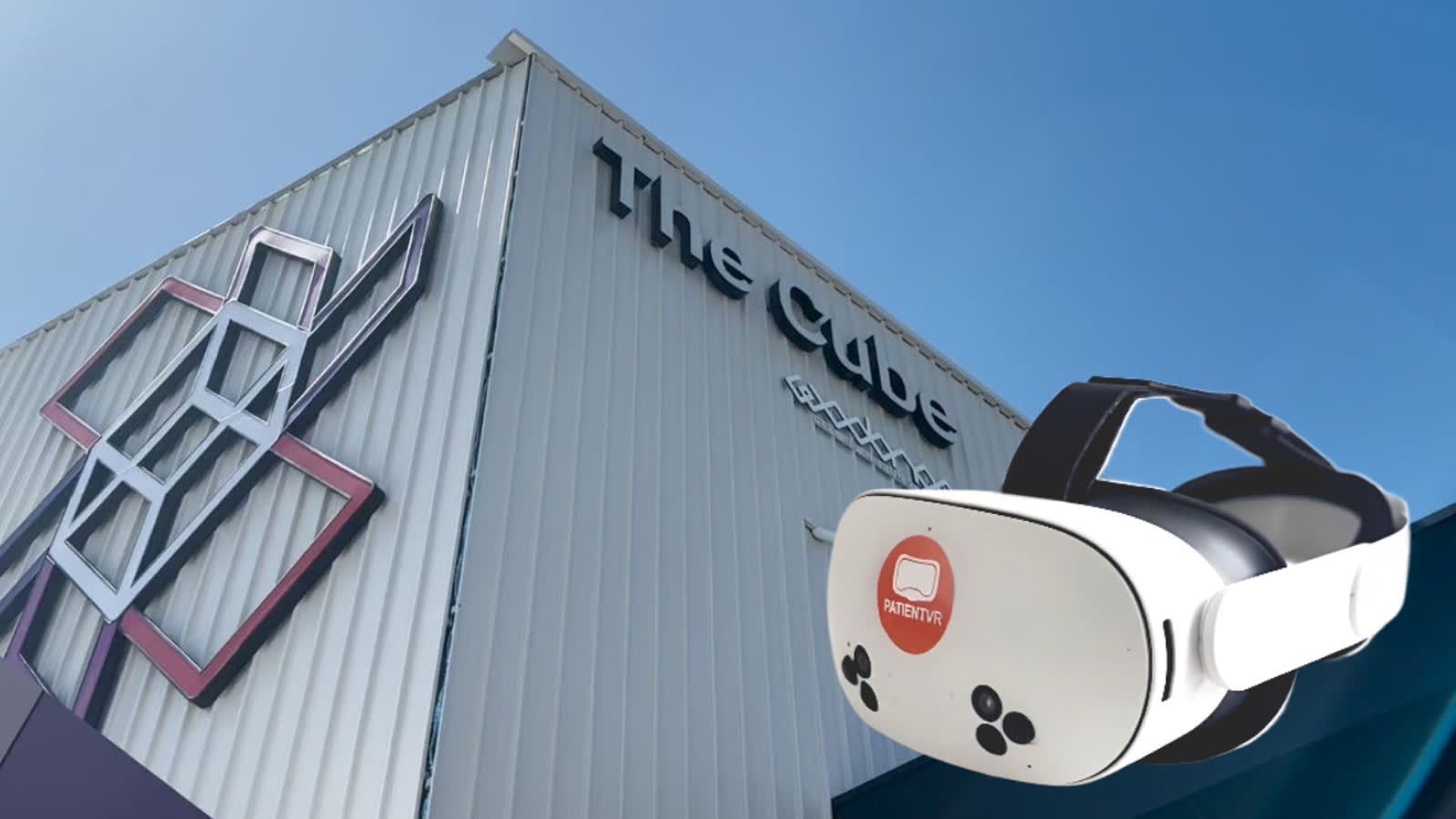
PatientVR was proud to take part in the Mercy Palliative Master Class 2026, Beyond Boundaries – Expanding What Palliative Care Can Be, held at The Cube Wodonga in the Albury–Wodonga region. The event brought together clinicians and innovators to explore the future of palliative care, including the evolving role of technology and AI. PatientVR demonstrated immersive virtual reality to support patient comfort, reduce anxiety, and provide effective pain distraction in care settings.

How Virtual Reality Is Transforming Patient Care Across Australia
Healthcare across Australia is increasingly using virtual reality (VR) to improve patient comfort and wellbeing. PatientVR delivers calming, therapeutic immersive experiences to help reduce pain and anxiety in settings like hospitals, palliative and aged care, and emergency care.
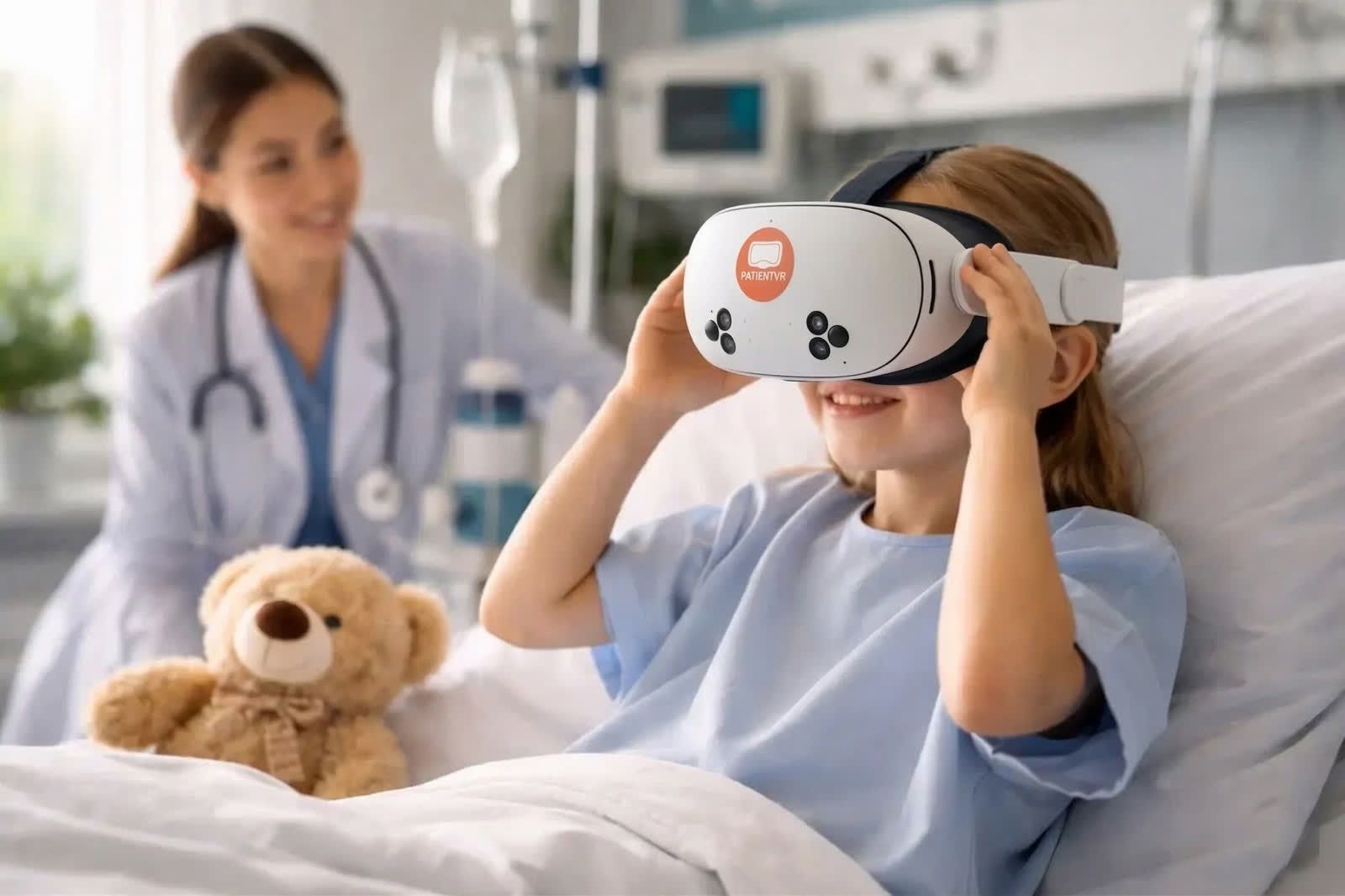
How VR Helps Children Cope with Hospital Procedures in Australia
Hospital visits can be stressful for children, with unfamiliar sights and procedures often triggering fear and anxiety. In Australia, paediatric virtual reality (VR) offers immersive distraction and preparation that helps kids feel more comfortable and cooperative during blood tests, injections, MRIs, and minor surgeries.
The Role of VR in Patient-Centered Care Models
Healthcare is changing fast, and patient experience is now central to better outcomes. This guide explains how virtual reality (VR) supports patient-centered care by reducing anxiety, helping manage pain, improving rehabilitation, and making complex information easier to understand. It also looks at practical applications and what the future may hold.
What to Expect: A Patient’s First VR Experience in a Clinical Setting
A patient’s first VR experience in a clinical setting is designed to feel calm and reassuring. A clinician explains what to expect, fits a lightweight headset, and supervises a short, guided session that can be stopped at any time.
The Future of Virtual Reality in Patient Care
Virtual reality (VR) is rapidly reshaping patient care with immersive, non-invasive experiences that can improve comfort, wellbeing, and clinical outcomes. As healthcare systems move toward more patient-centred approaches, VR is finding practical use across hospitals, clinics, and aged care settings in Australia.

How VR Helps Patients Manage Pain Without Medication
Chronic pain affects millions of Australians, and medication isn’t always enough—especially when side effects and anxiety make symptoms worse. Virtual reality offers a non-drug option by immersing patients in calming, interactive experiences that can reduce perceived pain, stress, and discomfort. It also supports rehabilitation and recovery through tailored therapeutic programs.
How VR Is Transforming Pain and Anxiety Management in Emergency Departments
Emergency departments are fast-paced, high-stress environments where patients often face acute pain, anxiety, and long waits. PatientVR uses calming, clinically informed virtual reality to reduce stress, ease pain perception, and provide effective distraction for greater cooperation during care and procedures.

Growth of VR in Healthcare: How Virtual Reality is Transforming Medicine
Virtual reality is becoming a practical healthcare tool in hospitals, clinics, and medical schools. It’s improving training for future doctors, reducing patient anxiety during treatment, and making rehabilitation more engaging. As VR adoption grows, it’s reshaping how medicine is taught, delivered, and experienced.
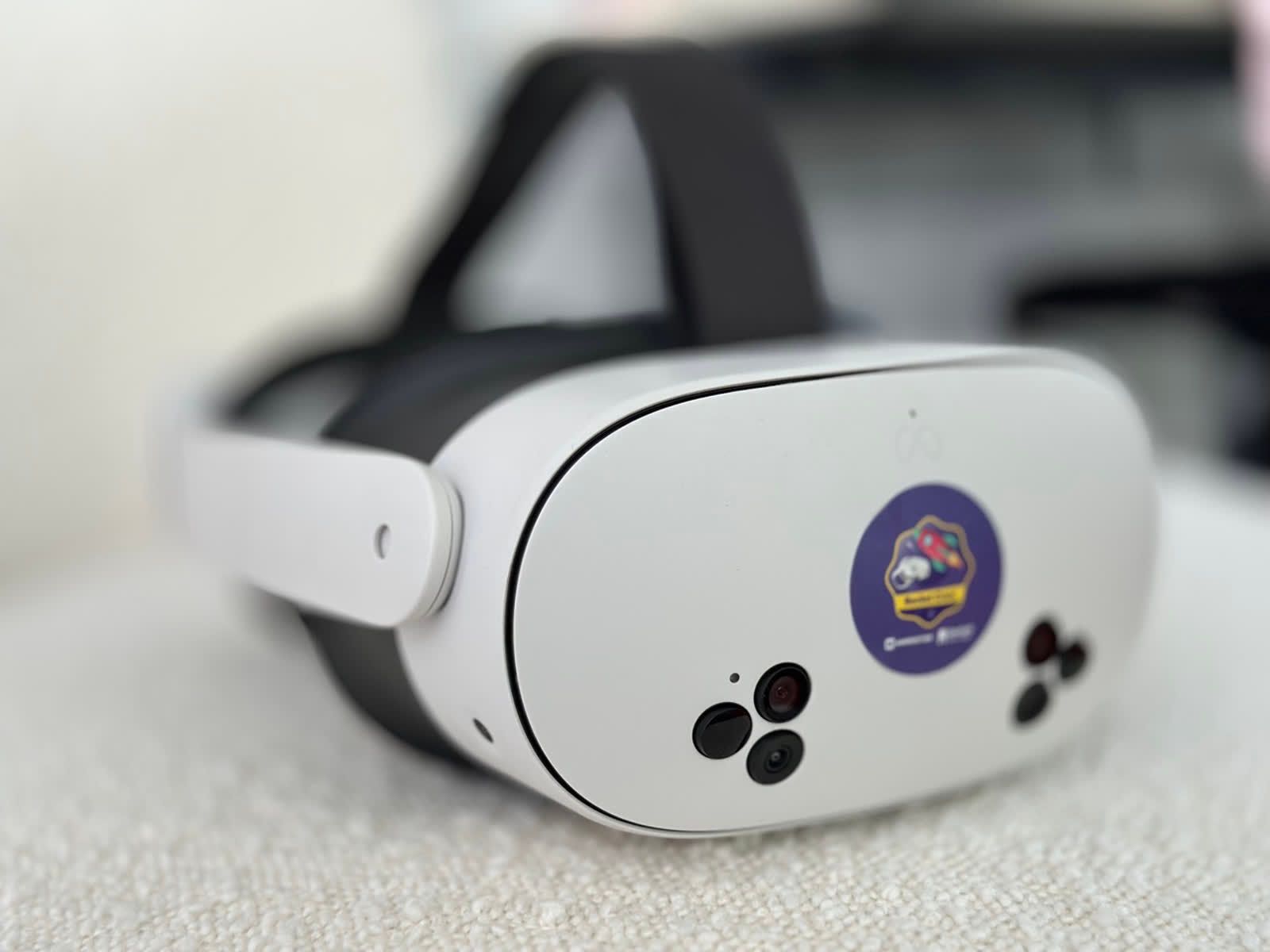
VR headset price reduced
Meta Quest 3S VR headset is now $499, down from the Meta Quest 3 at $799. PatientVR has been testing the 3S and recommends it as an affordable, future-ready upgrade with improved performance and full-colour passthrough. Bundled accessories bring the total to about $737 AUD, with occasional launch deals dropping it to $449.

How XR is Transforming Patient Care: Pain Relief, Phobia Distraction & Wellbeing with PatientVR
PatientVR uses controller-free virtual reality to transform patient care with positive distraction, pain relief, and calm wellbeing. By immersing patients in soothing, interactive environments, it can help reduce anxiety, ease discomfort, and make procedures feel more manageable. It also offers phobia distraction for moments like needles or confined spaces.
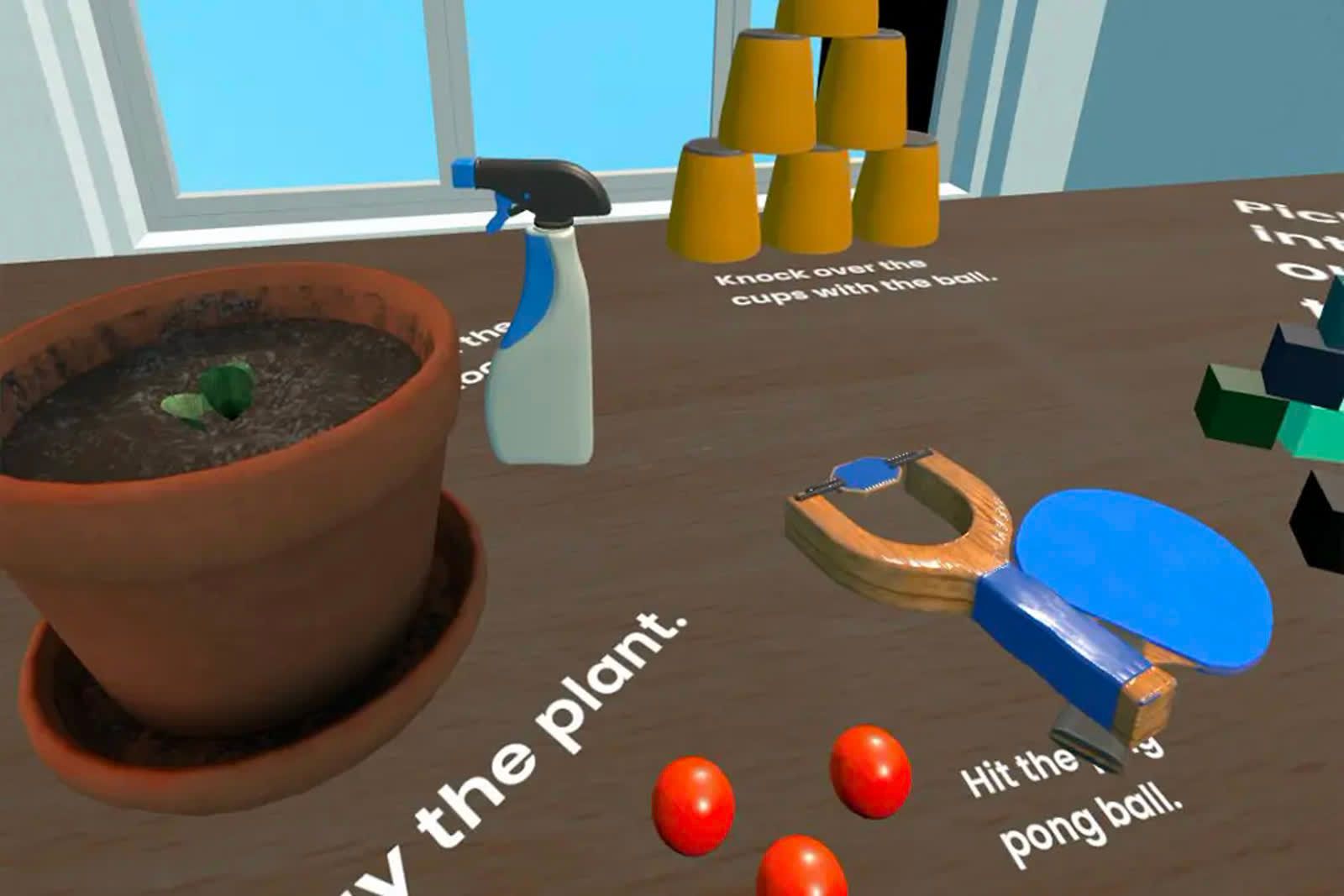
Providing a fun and therapeutic virtual reality (VR) experience for patients
PatientVR “Interact” library features provide a fun, therapeutic VR experience that supports patients’ physical movement, cognitive skills, and emotional well-being. Gamified gameplay encourages controlled exercise, decision-making, and sensory engagement while offering a positive distraction from stress or discomfort.
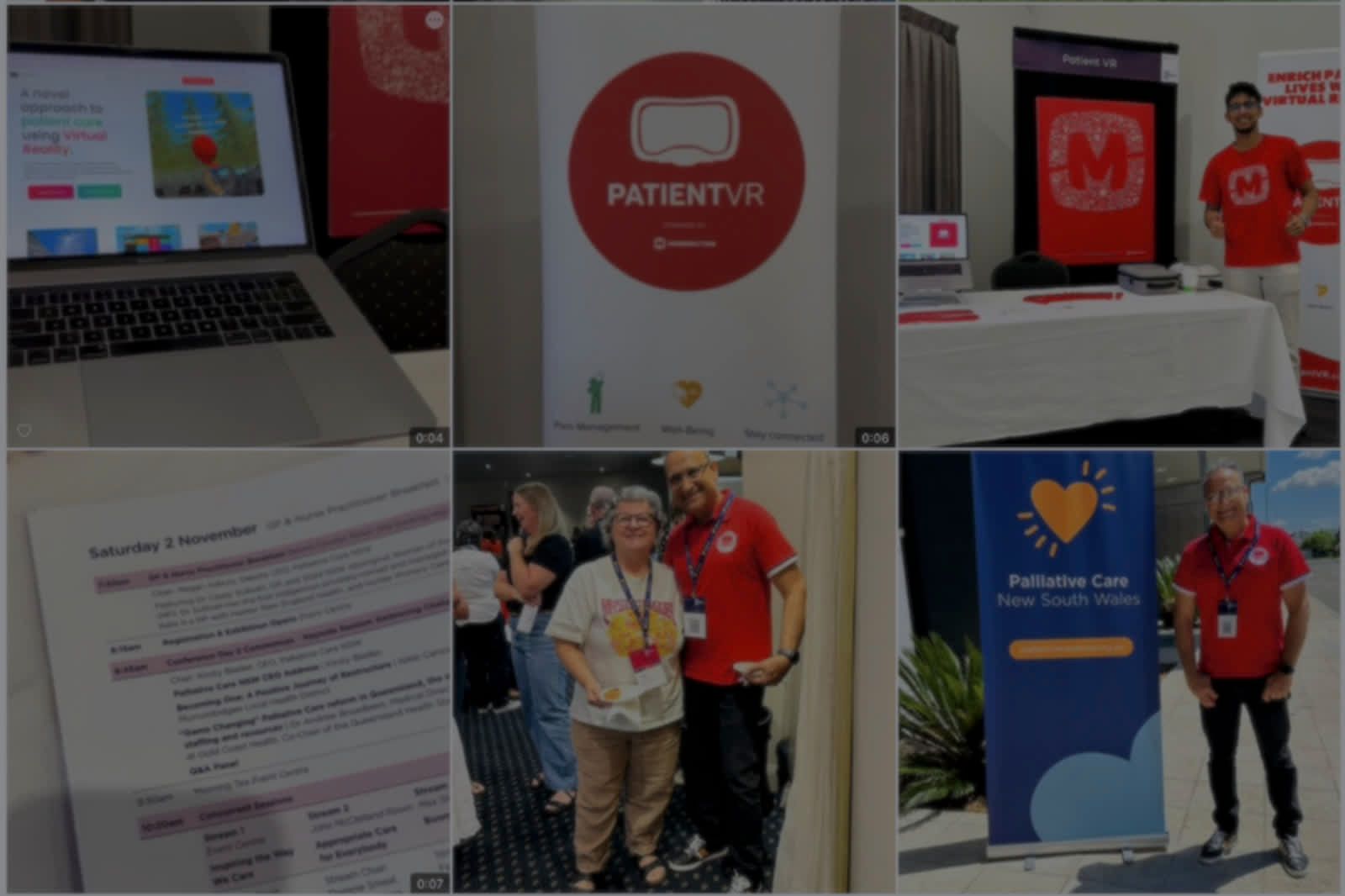
Beyond the Fax: PatientVR’s Role in Modern Palliative Care
The Palliative Care NSW (PCNSW) Conference in Tamworth highlighted the growing need for accessible, quality palliative care across New South Wales. PatientVR was featured as a virtual reality tool designed to support patient wellbeing, pain management, and positive distraction, with its progress shaped by extensive clinical consultation and early hospital trials.
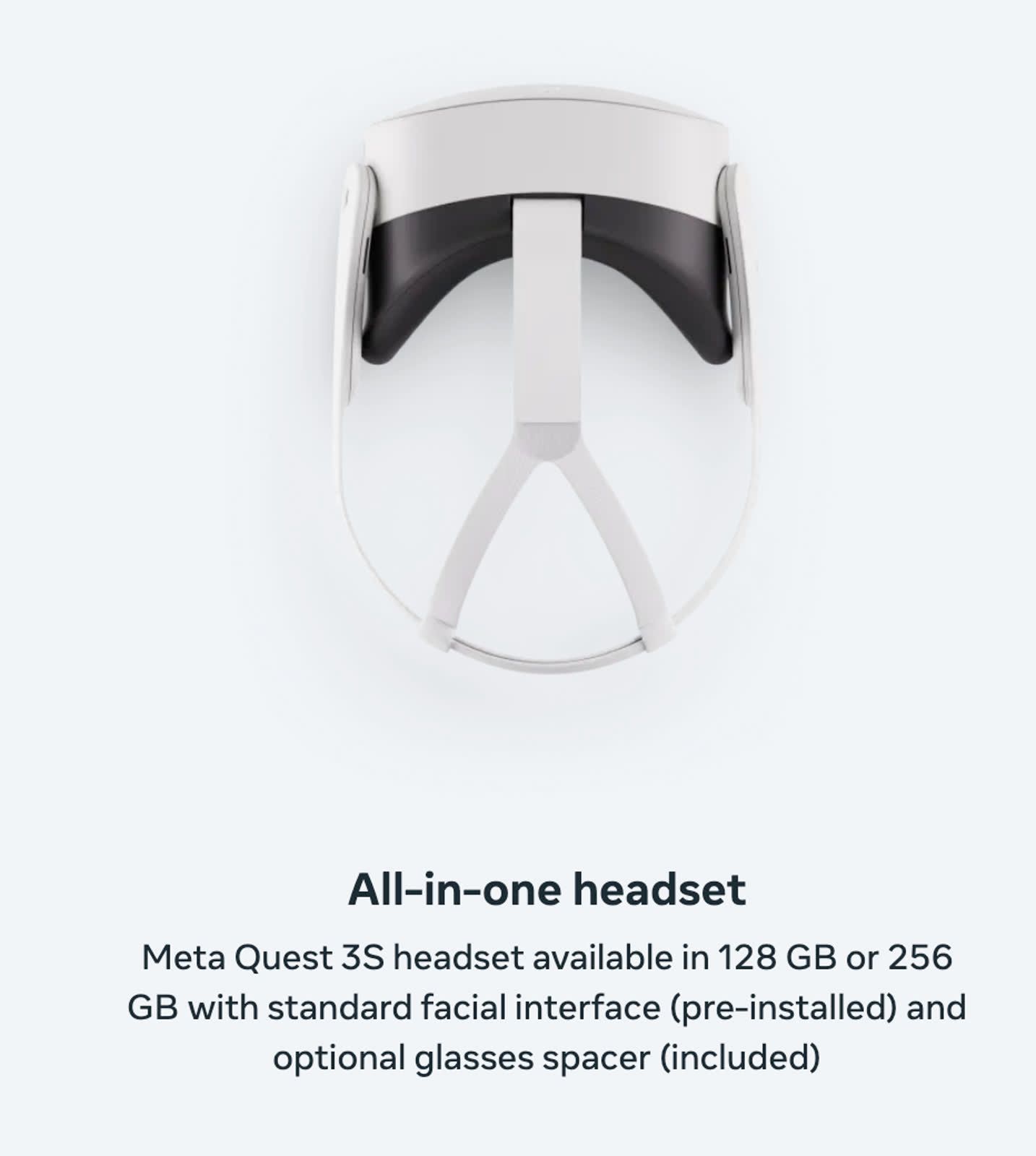
PatientVR ready to try Metas new Meta Quest 3S VR headset
Meta has announced the new Meta Quest 3S, a more affordable mixed reality headset with passthrough technology, spatial audio, and support for 2D apps. The device also promises a lower-cost entry point for PatientVR, making VR easier for hospitals, private practices, and individuals to explore.
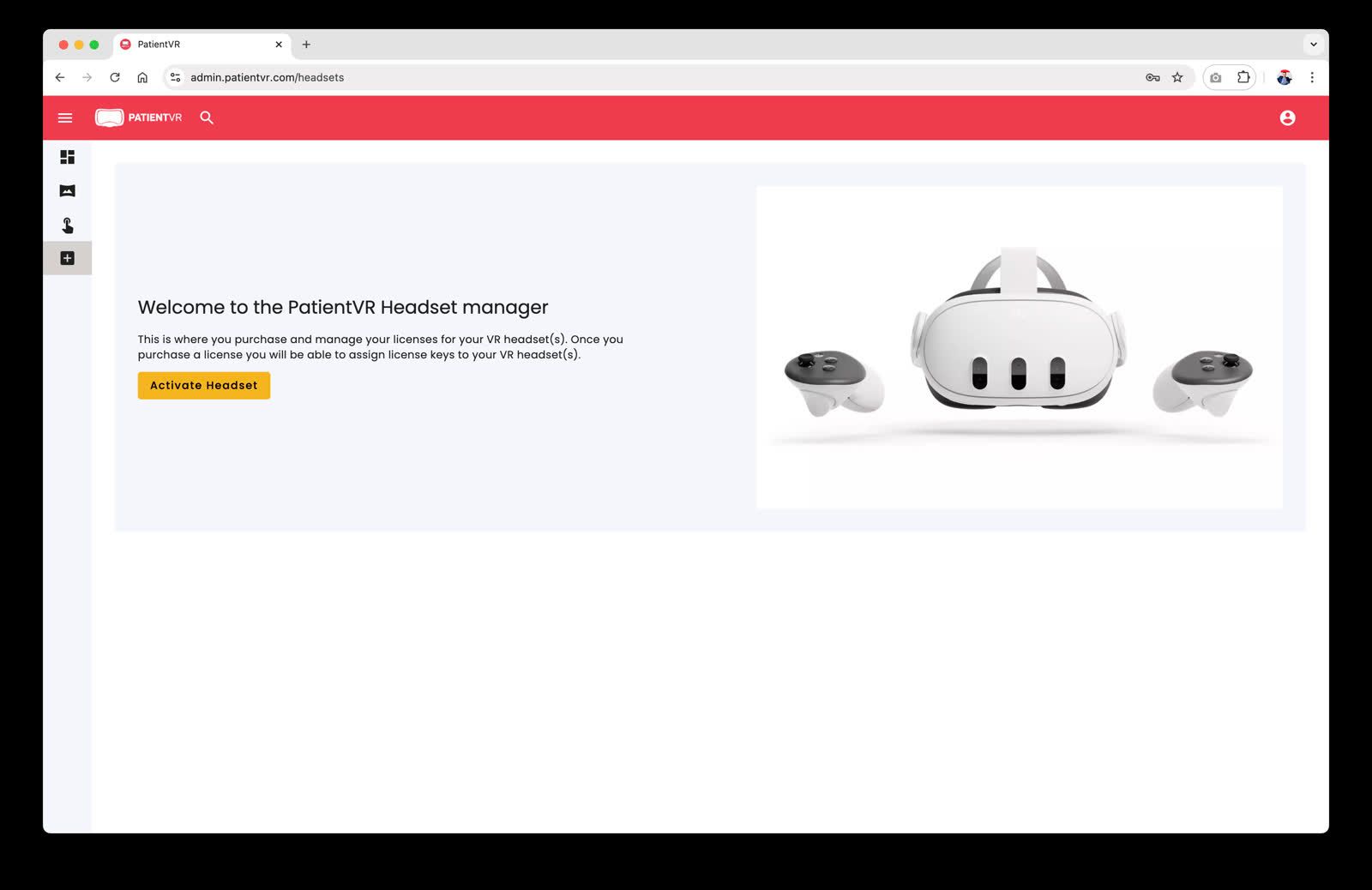
How to sign up to PatientVR
Follow these simple steps to sign up for PatientVR and set up a corporate account for your healthcare facility. Create your account on the PatientVR website, verify it, then download the PatientVR app on Meta Quest and enter your activation code to start using it.

PatientVR Showcases VR for Healthcare at Rotary Club of Lower Blue Mountains
PatientVR recently presented its virtual reality for healthcare at an event hosted by the Rotary Club of Lower Blue Mountains. Attendees—including senior members of the community—tried immersive PatientVR experiences and learned how VR can support rehabilitation and cognitive therapy through engaging activities. The response was overwhelmingly positive, with special interest in the controller-free hand-tracking experience.
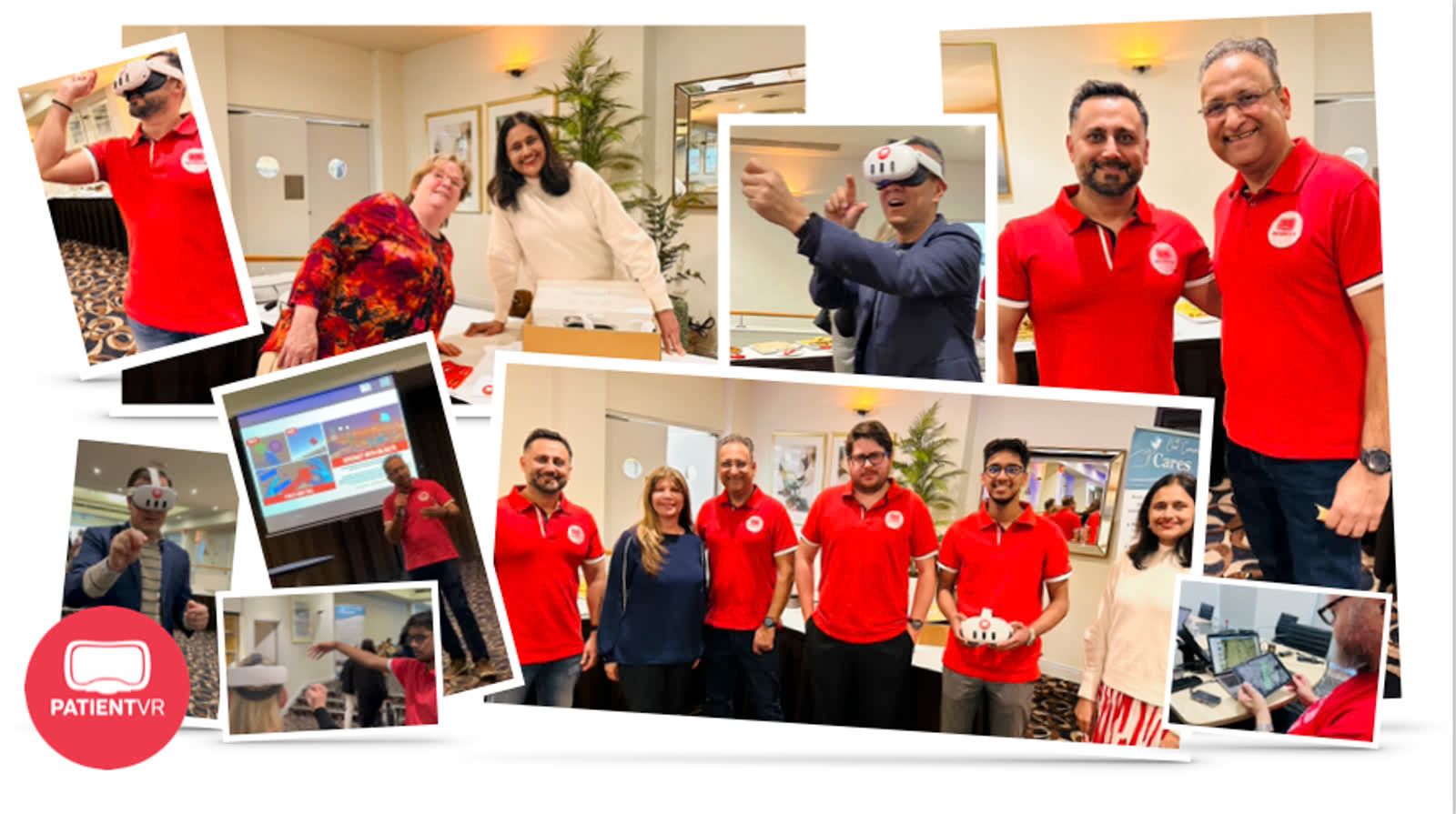
PatientVR wows audience with virtual reality at Our Community Cares event
Attendees at the Our Community Cares event got their first look at PatientVR and quickly delivered plenty of “wows,” smiles, and praise. The team shared how immersive virtual reality can help distract from pain, ease anxiety before procedures, and support patient wellbeing in hospital settings.
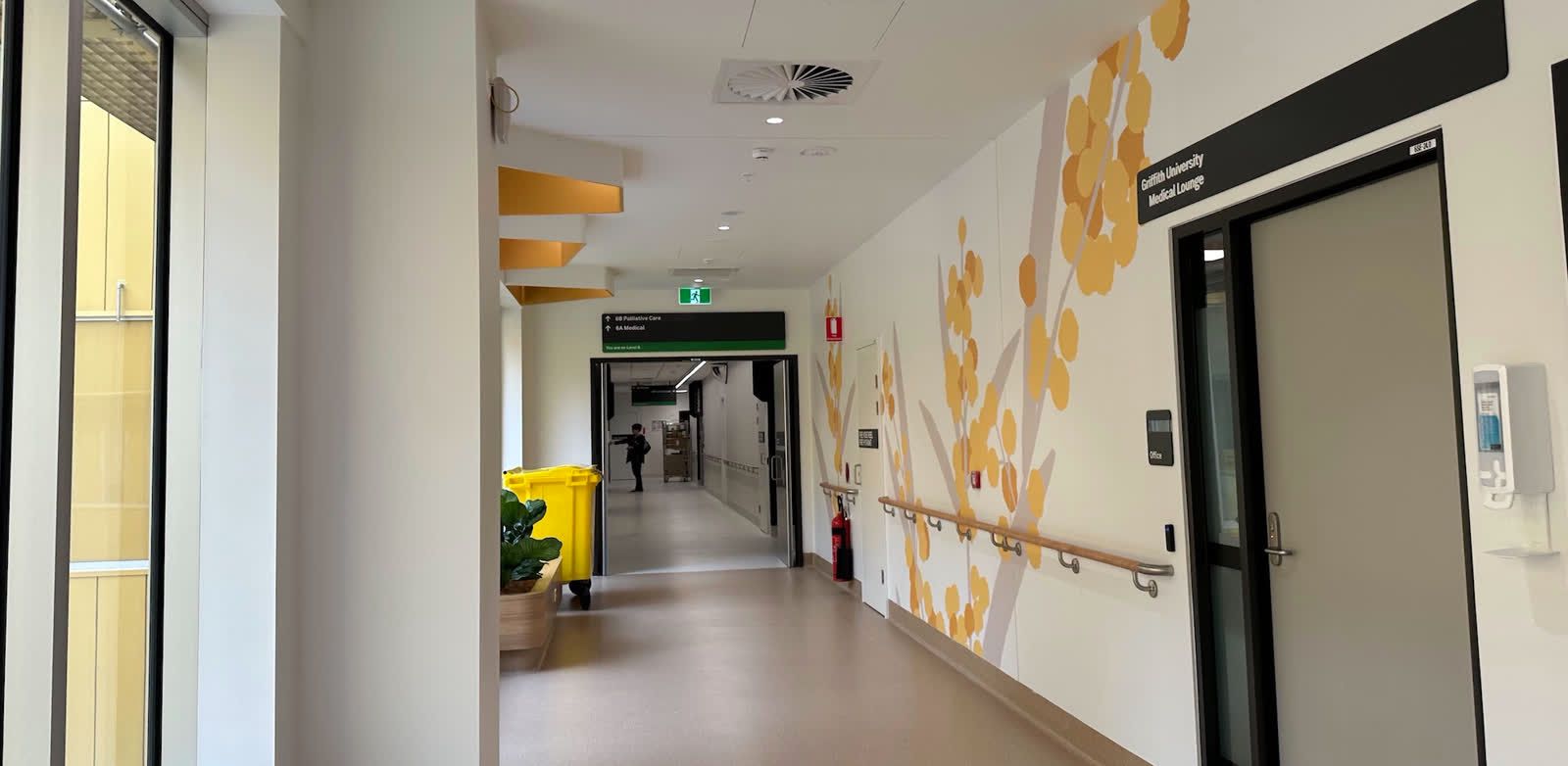
Metro South Health Logan Hospital Palliative Care QLD joins PatientVR
Metro South Health’s Logan Hospital Palliative Care Unit has launched PatientVR to enhance end-of-life care with immersive virtual reality experiences. The program aims to improve comfort, engagement, and therapeutic support for patients during vulnerable moments.
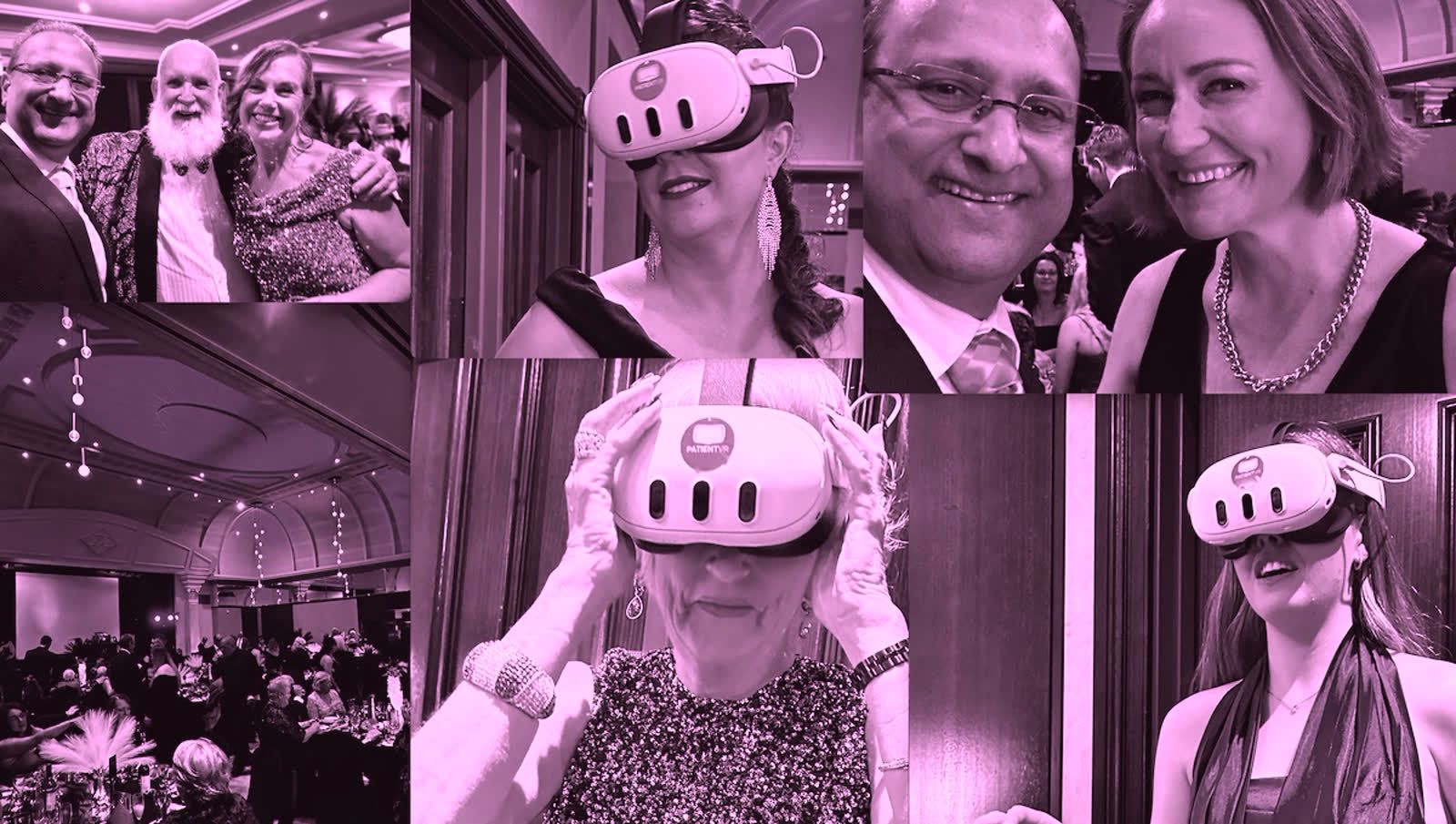
PatientVR Supports Friends of Palliative Care
Friends of Palliative Care in Logan, QLD, hosted a Masquerade Ball at the Diggers Services Club on June 1st to support patients in need. The event helped advance PatientVR’s digitised patient experience, letting attendees experience what patients will encounter through Logan Hospital’s new VR program.
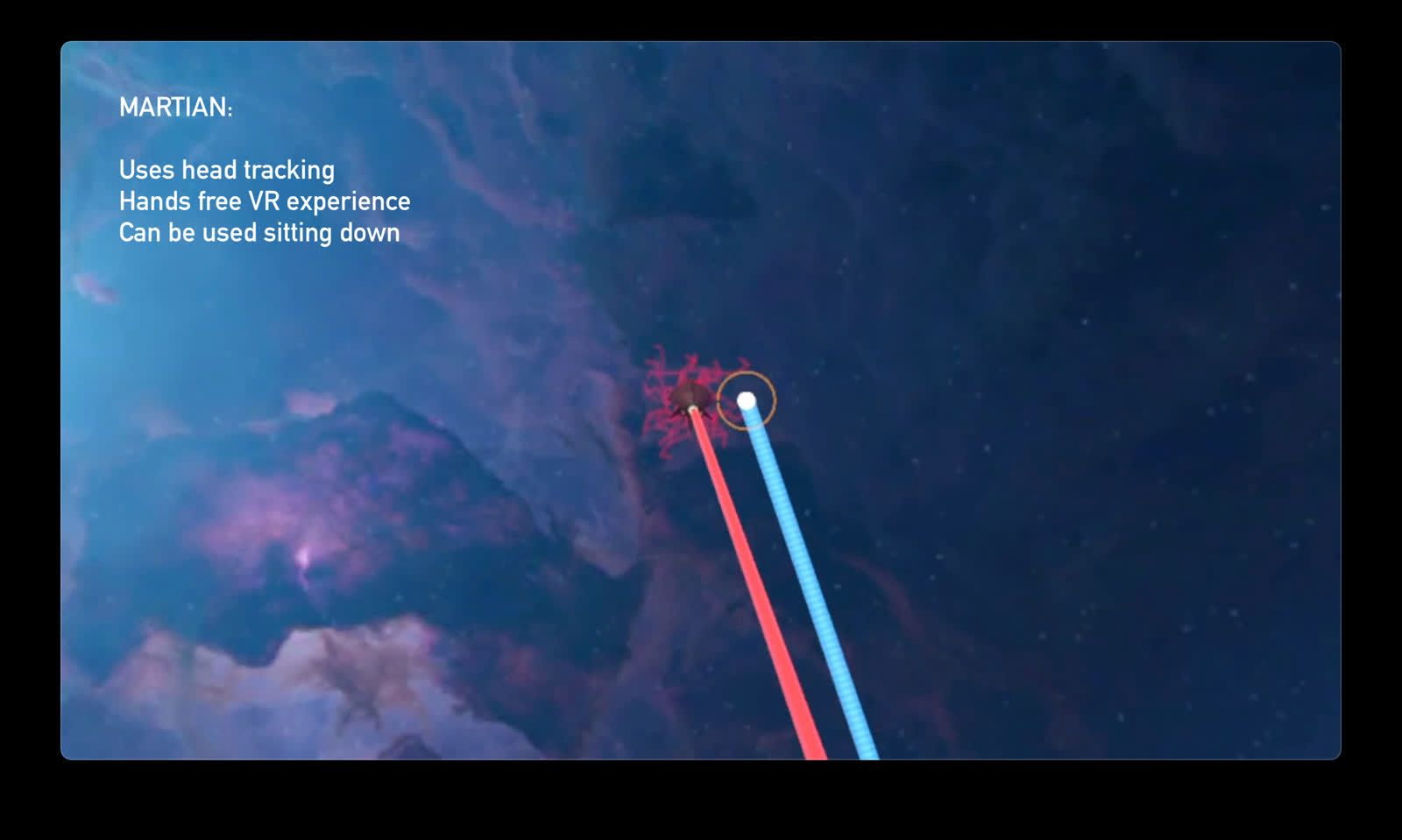
Gamified intervention using Virtual Reality to help with distraction
We use a gamified intervention in virtual reality to provide patients with a positive, calming distraction. Built with the INTERACT library, PatientVR focuses on simple, intuitive experiences shaped by healthcare feedback and real-world testing.
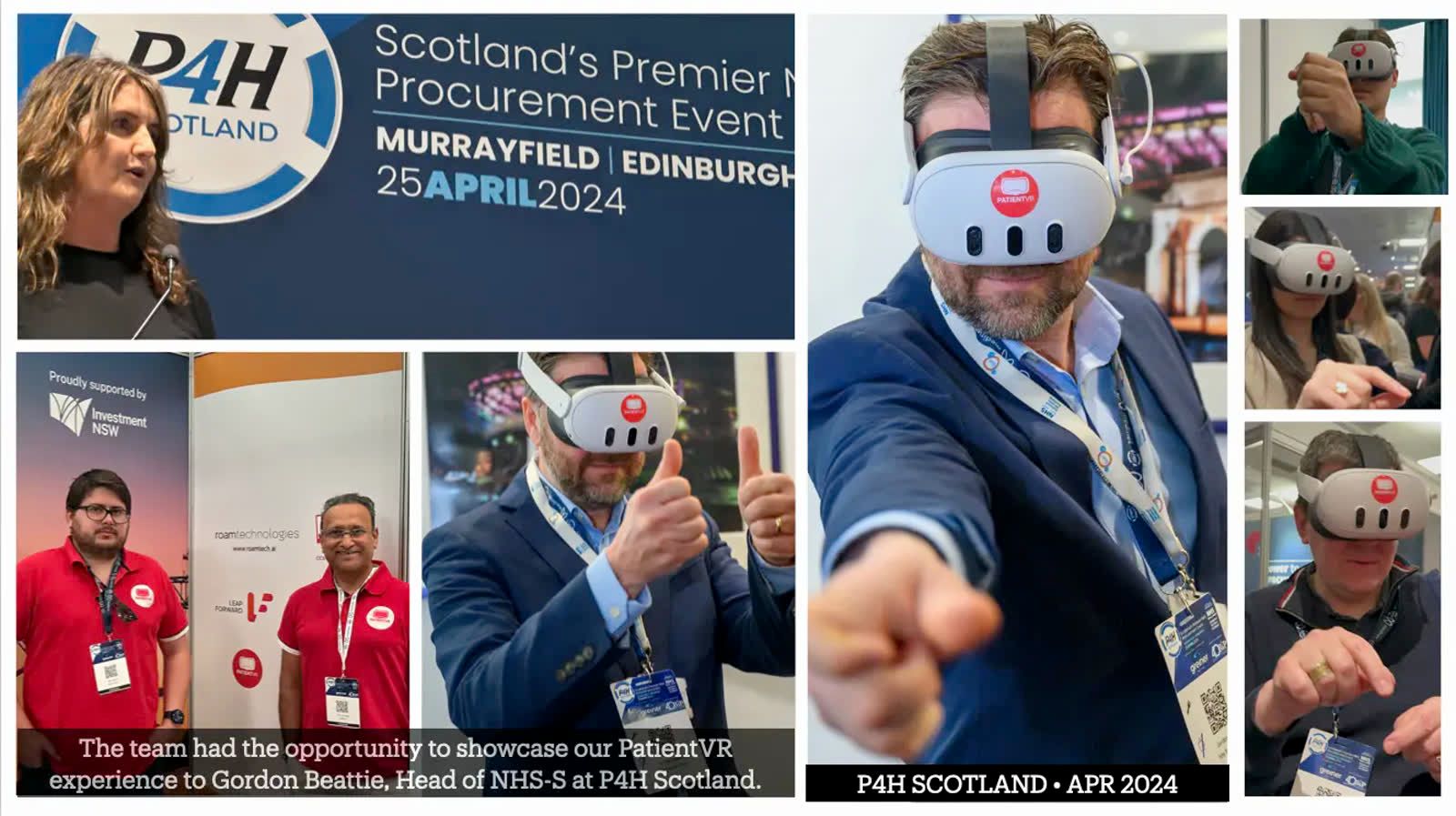
PatientVR exhibits at Scotland premier P4H Event as part of Investment NSW cohort
PatientVR exhibited at Scotland’s premier P4H event in Edinburgh as part of the Investment NSW “Going Global to the UK” cohort. Founder and Director Mike Vasavada, alongside VR expert Joshua Lawson, met NHS Scotland’s Gordon Beattie and showcased the PatientVR application firsthand.
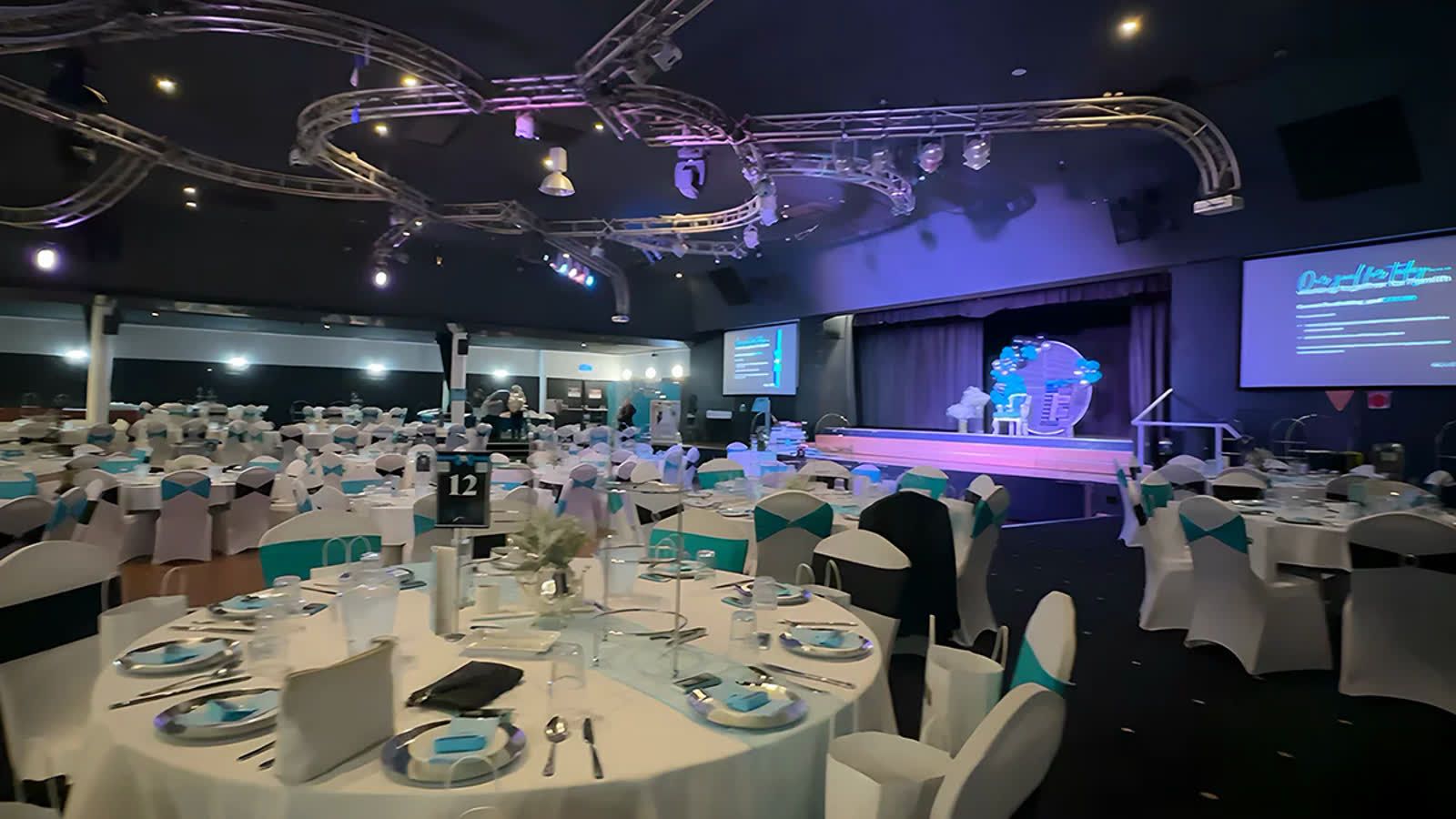
Black and Bling Fundraiser: Supporting Our Community Cares
Our Community Cares hosted its “Black and Bling” fundraising event at the St Marys Band Club on Saturday, May 4, bringing together locals to support a vital cause across the Penrith LGA. The community-focused night featured hampers, spot prizes, raffles, and major support for local health initiatives, including PatientVR at Nepean Hospital.

Mobiddiction selected for NSW Government’s Going Global Export Program
Mobiddiction has been selected for the NSW Government’s Going Global Export Program 2023–24, focused on “Health Innovation to the United Kingdom.” The program will provide support to accelerate export growth, alongside market intelligence and business matching opportunities. Mobiddiction will continue advancing its PatientVR program, using virtual reality to enhance the patient experience.
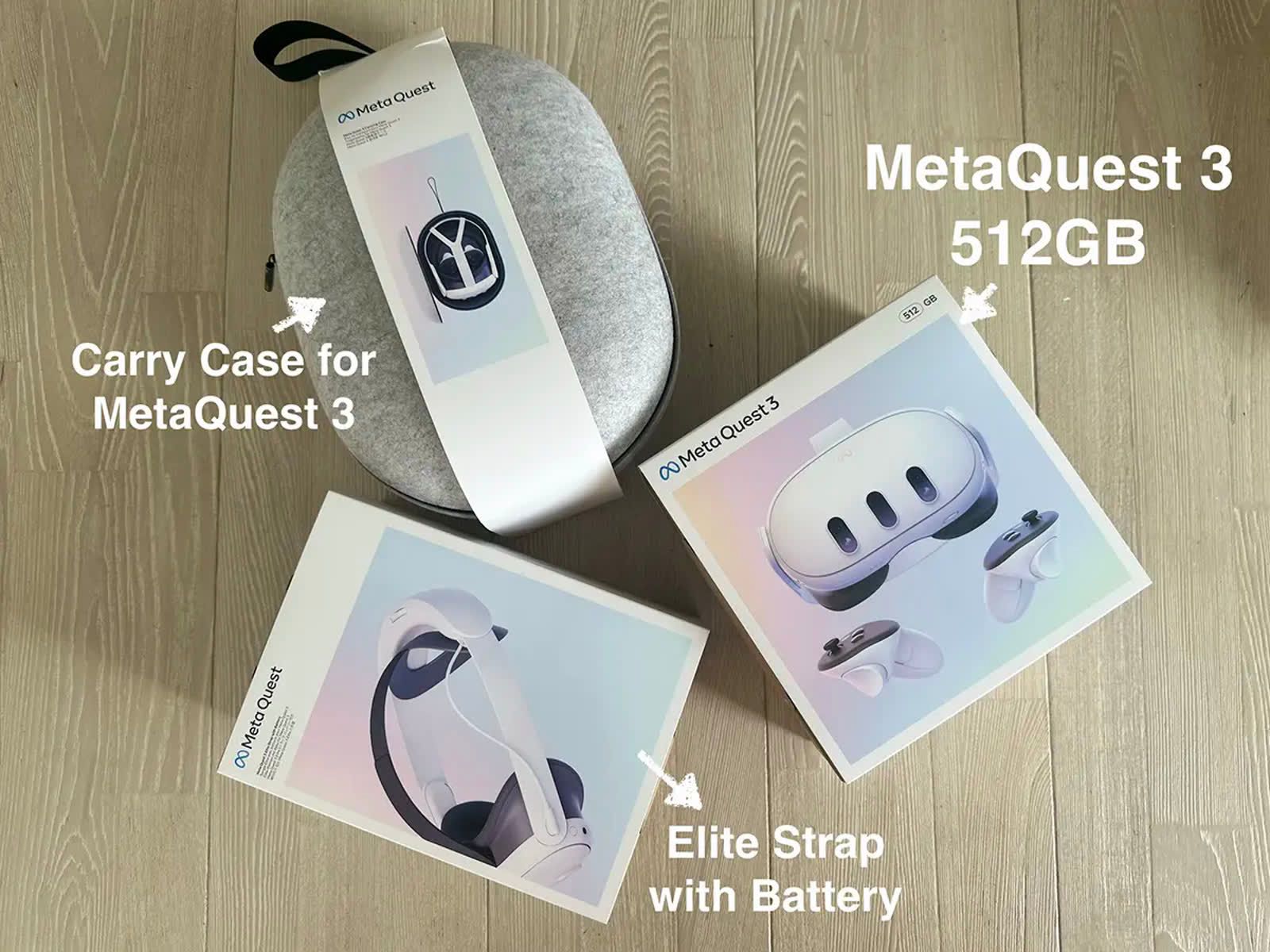
Recommended VR headsets for Patients
Our team recommends the Meta Quest 3 (512GB) as the best VR headset for patients using our Patient VR platform. The guide also covers essential accessories like an Elite Strap with battery and a protective carry case, plus notes on compatibility with Meta Quest 2.
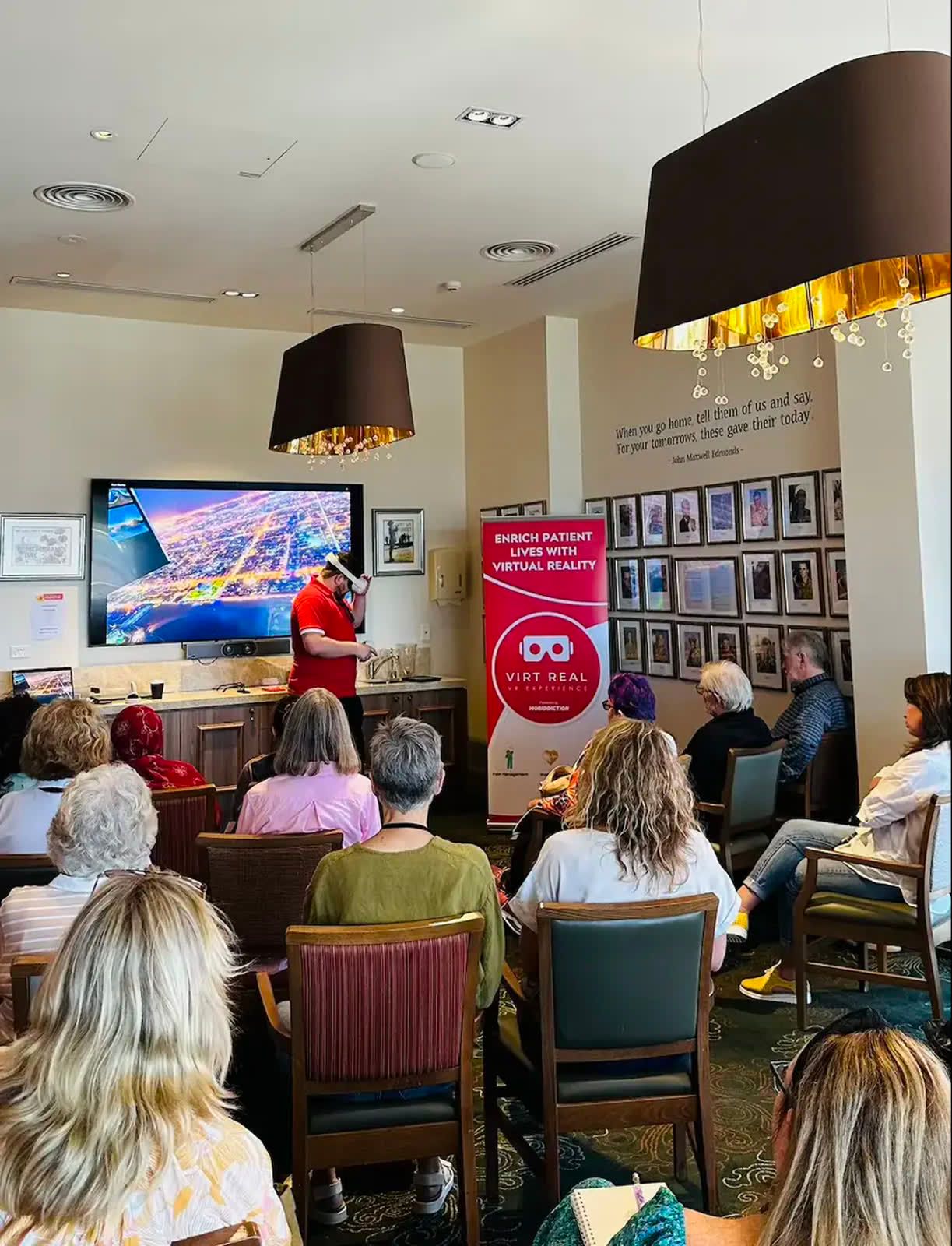
Promising VR applications in the health sector
Virtual reality (VR) in healthcare is rapidly evolving, offering immersive 3D experiences that can feel more engaging than traditional digital tools. Research highlights VR’s potential to reduce pain and anxiety, support rehabilitation, and help patients prepare for procedures through virtual tours and calming mindfulness experiences.

Mobiddiction creates Patient Virtual Reality to enrich lives on patients in Palliative Care
Mobiddiction has created a Patient Virtual Reality (VR) experience to enrich life for palliative care patients, currently being trialled at Nepean Hospital. Supported by community partner Our Community Cares and delivered with Meta Quest headsets, the calming immersive program aims to offer positive distraction from pain, isolation, and anxiety. Content is managed through the Mobiconnect platform and designed specifically for palliative ward use.
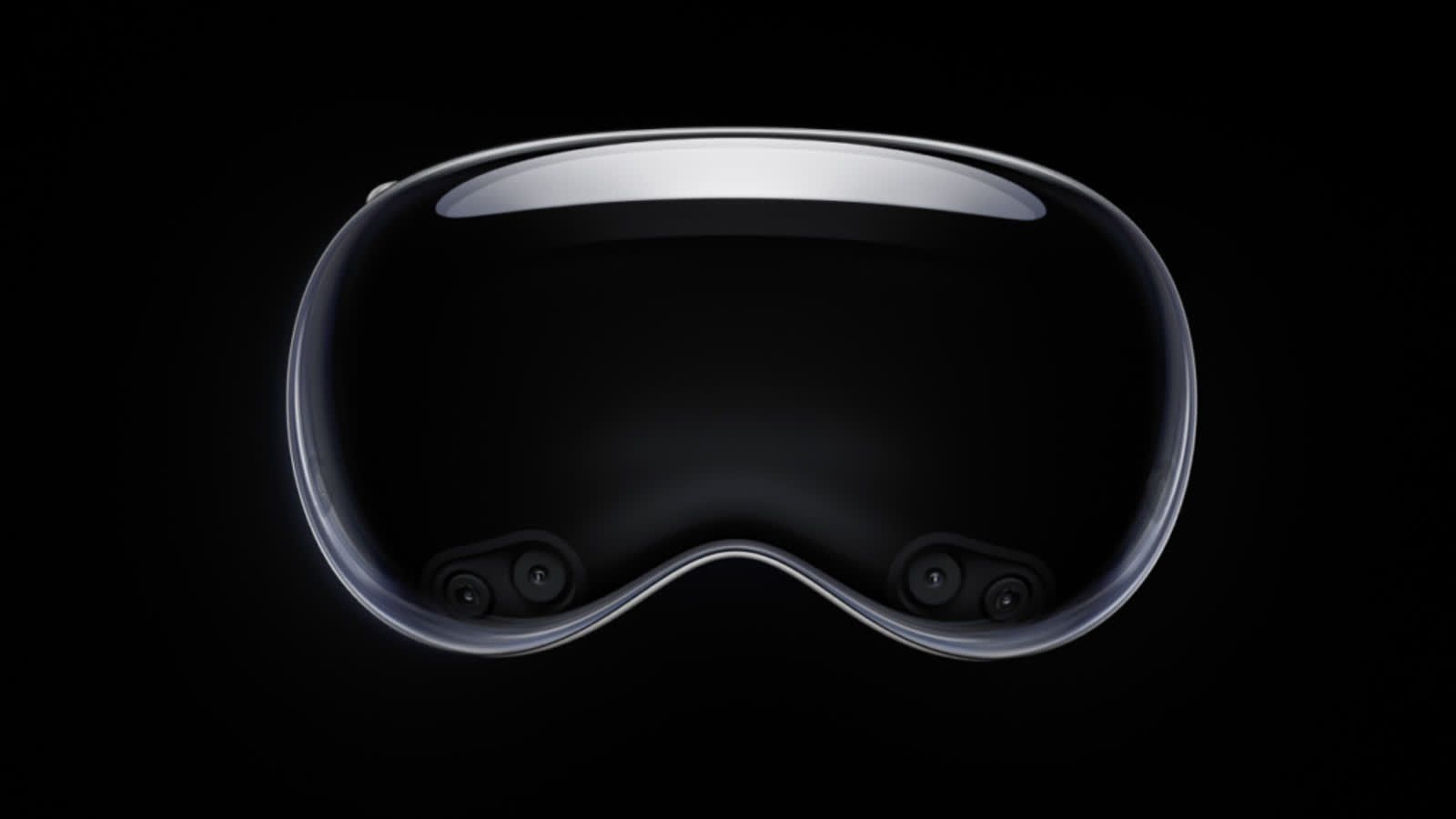
What is the difference between AR, VR and XR in simple terms?
What is the difference between AR, VR, and XR in simple terms? Yes they are all cool technologies that mess around with your perception of reality using fancy computer stuff